The Chronicles of Edrath

Edrath

A Fractured World, Seven Ages of Ruin and Rebirth

✦   ✦   ✦

Edrath — All Eras

Explore Stories

Chronicles, tales, and accounts drawn from across the ages. Select an era to begin.
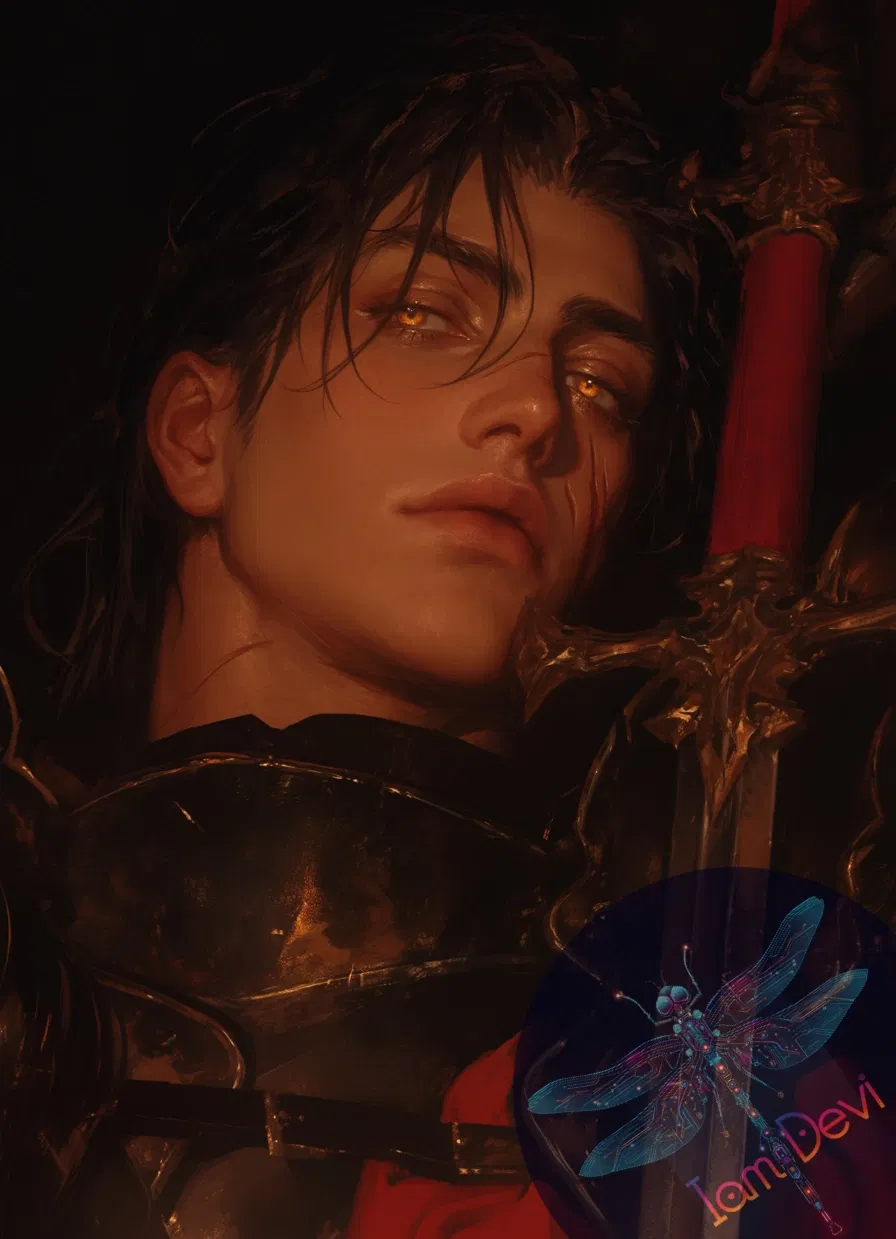
Work in Progress

The chronicles of the Eighth Era have not yet been written.
Return when the age takes shape.
Era Six

The Age of Continuity

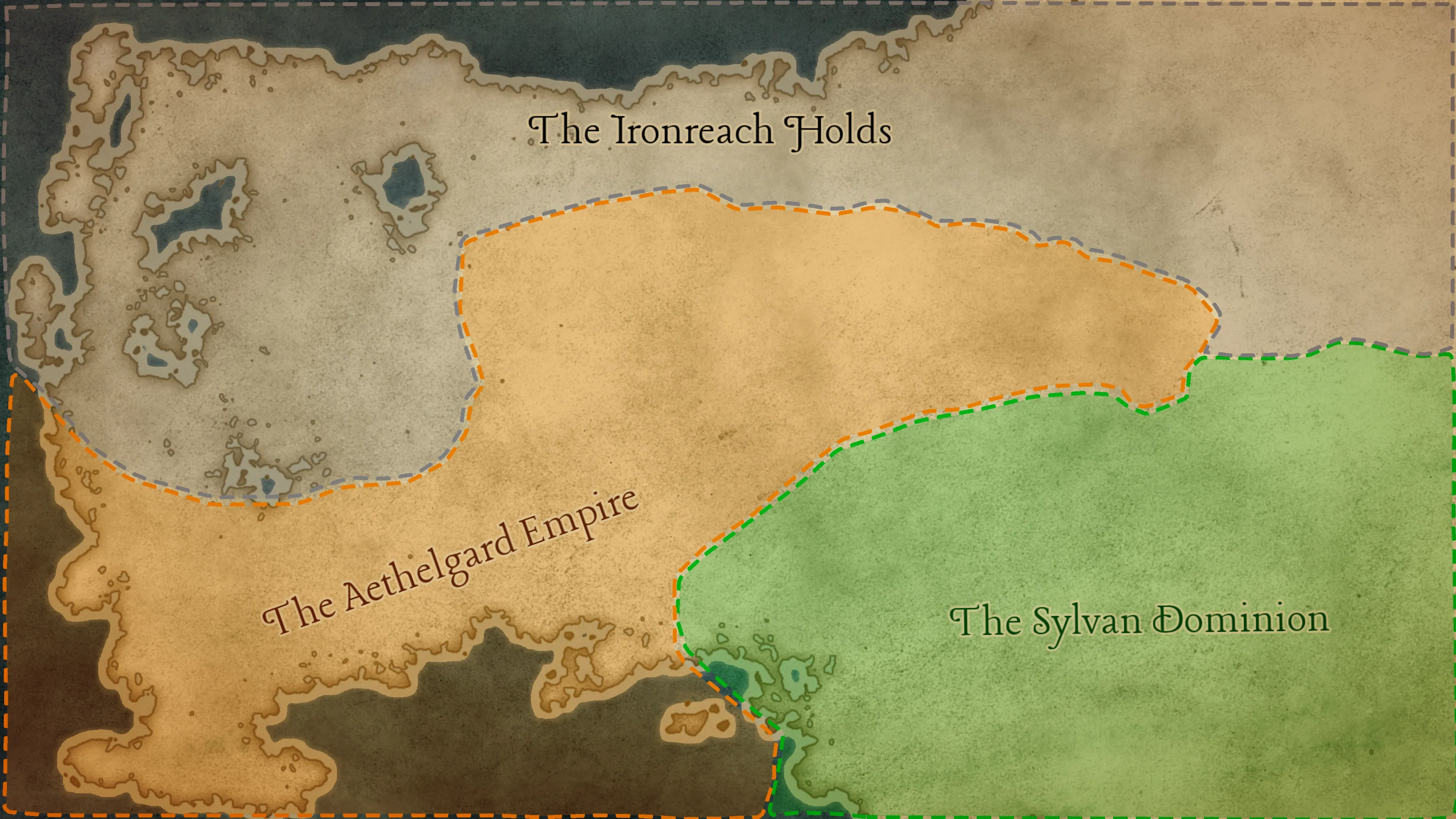
Map of Edrath — Sixth Era

"Strength is the consolidation of what is owned before building further."

— Archsage Lyanera, The Mage's Principles

Overview

Power is divided and held tightly among the three main factions — Humans, Elves, and Dwarves. Skirmishes and battles for power still occur at their borders, with dissent and rot slowly building amongst the other races — orcs, goblinoids, lizardmen, and others — who are enslaved by them.

Era

Sixth — The Age of Continuity

Core Idea

The competing factions neglect those they deem beneath them, who quietly prepare for their rise.

Tone

Grim-but-mythic; morally gray; political intrigue, low-to-high fantasy.

Themes & Feel

  • No pure villains — everyone believes their cruelty is a necessity.
  • Weight of history — past empires and ruins shape modern politics.
  • Faith vs. pragmatism, tradition vs. change, freedom vs. order.

Main Conflicts

  • Ironreach ↔ AethelgardMithril and ore claims; broken mining pacts.
  • Sylvan ↔ AethelgardSacred groves versus logging and settlement.
  • Sylvan ↔ IronreachNatural preservation versus mining operations.
  • InternalEach power wrestles with reformers versus hardliners.
✦   The Three Empires   ✦

The Three Empires

The Aethelgard Empire

Humans

Order, progress, divine purpose.

Chivalric, feudal, and proud — a realm of knights, noble houses, and rigid hierarchy. The Aethelgard Emperor and all his heirs have recently been killed by an uprising of their own nobility. A new ruler by the name of Kregan Valenor emerges. Worships The Radiant One, god of order and law.

Sees itself as humanity's great hope — the forge of law and learning in a chaotic world. Their "unity" often means conquest, forced conversion, and rewriting other cultures' histories.

Internal flaw: Reformers vs. zealots — one side preaches tolerance, the other burns witches to "purify" the realm.

The Ironreach Holds

Dwarves

Honor, tradition, and self-reliance.

Industrious, secretive, clan-based. Deep mountain fortresses and sprawling underground cities illuminated by crystal forges. Once allied with Aethelgard, now distrustful of humans. The High Thane's council is fractured between those who seek peace and those who demand vengeance.

They hoard wealth and knowledge. Rumors persist that something ancient and hungry stirs in the deep mines.

Internal flaw: A new generation questions the old ways, but innovation is seen as sacrilege.

The Sylvan Dominion

Elves

Balance, preservation, spiritual stewardship.

Ancient, isolationist, and fading — elves see themselves as stewards of the land, but their forests shrink yearly. Queen Ethiliar leads with an iron fist, using any means necessary to dominate and intimidate the other powers through force. Their enchanted forests twist reality; the deeper you go, the more time slows.

They sabotage logging, burn human outposts, and use nature magic to curse lands they see as defiled — yet their magic is slowly draining the very forests they seek to protect.

Internal flaw: Their immortality makes them incapable of change — the young grow restless as the old refuse to let go.

Era Seven

The Age of Fractures

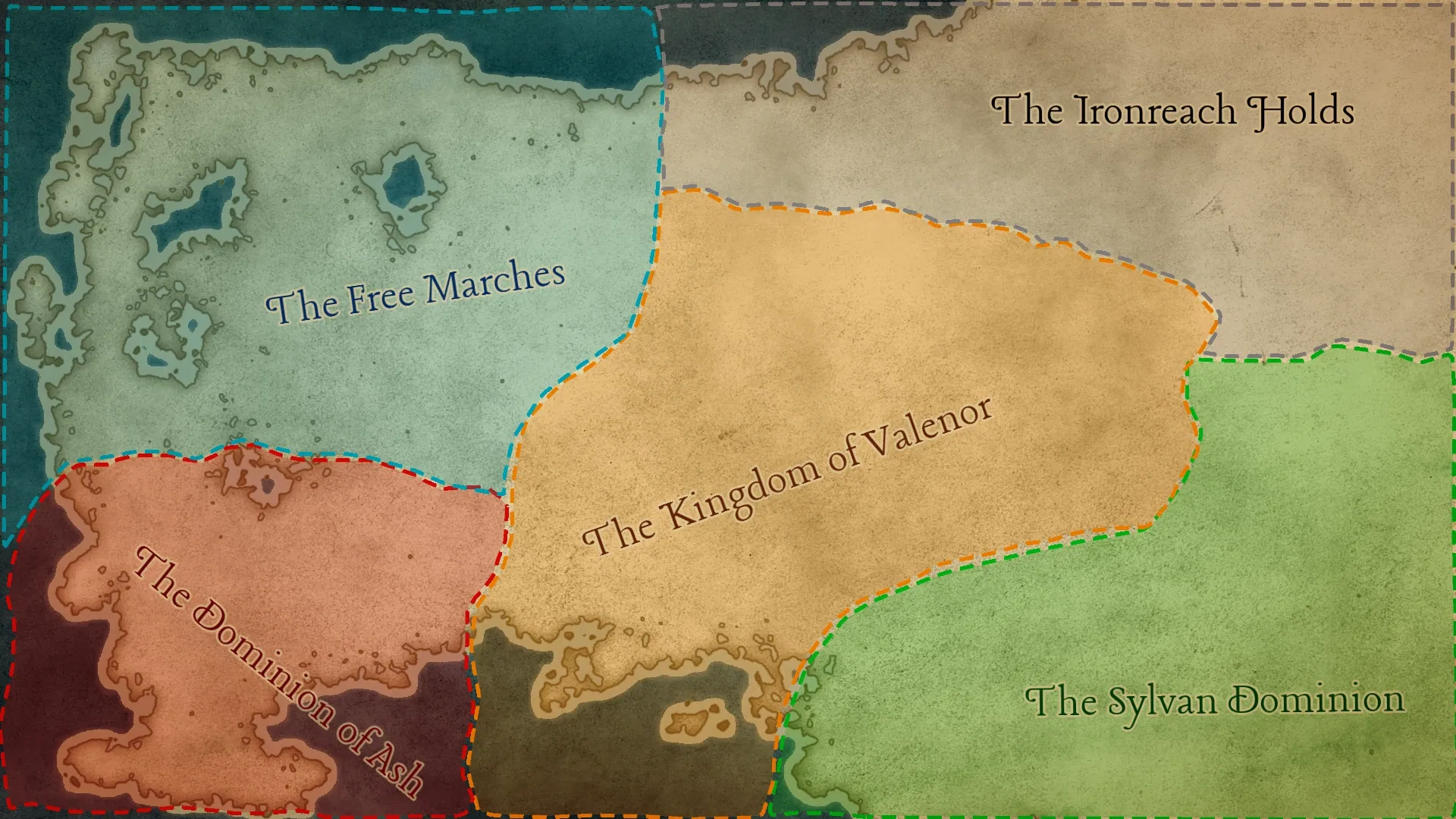
Map of Edrath — Seventh Era

"Every banner in Edrath claims to guard the light. Yet when all march for righteousness, who remains to tend the fires of peace?"

— Archsage Meroth, Chronicles of the Fifth Age

Overview

A fractured continent where every realm believes it's the righteous one. Old empire ruins hum with forgotten magic. No side is purely "good" — every faction commits harsh deeds thinking they're necessary.

Era

Seventh — The Age of Fractures

Core Idea

Competing ideals collide; history repeats through wounded memory and justified violence.

Tone

Grim-but-mythic; morally gray; political intrigue, low-to-high fantasy.

Themes & Feel

  • No pure villains — everyone believes their cruelty is a necessity.
  • Weight of history — past empires and ruins shape modern politics.
  • Faith vs. pragmatism, tradition vs. change, freedom vs. order.

Main Conflicts

  • Ironreach ↔ ValenorMithril and ore claims; broken mining pacts.
  • Sylvan ↔ ValenorSacred groves versus logging and settlement.
  • Valenor & Marches ↔ Dominion of AshBorder raids, reprisals, and competing claims of justice.
  • InternalEach power wrestles with reformers versus hardliners.
✦   The Five Powers   ✦

The Five Powers

The Kingdom of Valenor

Humans

Order, progress, divine purpose.

Chivalric, feudal, and proud — a realm of knights, noble houses, and rigid hierarchy set across fertile plains and river valleys. The aging King Aldric IV has no clear heir; rival noble houses and the Church maneuver for power. Worships The Radiant One, god of order and law.

Sees itself as humanity's great hope. Their "unity" often means conquest, forced conversion, and rewriting other cultures' histories. Racism toward elves and orcs is common.

Internal flaw: Reformers vs. zealots — one side preaches tolerance, the other burns witches to "purify" the realm.

The Ironreach Holds

Dwarves

Honor, tradition, and self-reliance.

Industrious, secretive, clan-based. Deep mountain fortresses and sprawling underground cities illuminated by crystal forges. Once allied with Valenor, now distrustful of humans. The High Thane's council is fractured between peace and vengeance.

They hoard wealth and knowledge. Rumors persist that something ancient and hungry stirs in the deep mines.

Internal flaw: A new generation questions the old ways, but innovation is seen as sacrilege.

The Sylvan Dominion

Elves

Balance, preservation, spiritual stewardship.

Ancient, isolationist, and fading. Queen Maeriel struggles to hold together fracturing factions — some seek renewed diplomacy, others want vengeance on humankind. Their enchanted forests twist reality; the deeper you go, the more time slows.

They sabotage logging, burn human outposts, and use nature magic to curse defiled lands — yet their magic slowly drains the forests they seek to protect.

Internal flaw: Their immortality makes them incapable of change — the young grow restless as the old refuse to let go.

The Free Marches

Mixed Races, Nomads & Mercenaries

Freedom, trade, equality.

A patchwork of city-states, caravans, and mercenary bands — home to half-elves, traders, and those who flee other lands. Windswept plains, ancient ruins, and trade roads connecting the realms. No single ruler; city councils and merchant princes hold sway.

Seen as "mongrels" by the other races, the Marchers turn that insult into pride. Secret cults worship forgotten gods buried under the sand.

Internal flaw: Diversity prevents unity — no one agrees what the Marches should stand for.

The Dominion of Ash

Orcs & Goblinoids

Strength, unity, rebirth.

Once a nomadic horde, now a rising empire forged under Warlord-Griefspeaker Thrakul. Built across harsh volcanic plains and blackened fortresses atop old battlefields. Thrakul seeks to prove orcs are more than savages.

Under Thrakul, the Dominion forges a new identity for the "lesser races." Yet in their hunger to never again be slaves, they've become conquerors themselves — their liberation has become a crusade.

Internal flaw: Old Blood shamans clash with New Blood reformers; old hatreds simmer beneath the banner of unity.

Era Eight

The Eighth Era

Work in Progress

This age has not yet been chronicled.
The scribes are still at work — return when the era is ready.